It’s Greater Than Me: What Judo Teaches Us About Service, Volunteerism, and Community
Question to Consider:
How can we build upon the philosophy of judo’s “Jita-Kyoei” to better uplift those who need judo the most?
Looking Back on How Judo Has Changed My View of Service
With many of our students having graduated this month, I think back to how different things were in high school. Our judo club was a fraction of the size it now is, and a couple of friends of mine also attended my high school. I remember tediously logging hours of volunteer service I earned from helping out other students on the mat, both as an assistant youth instructor and also as a one-on-one senpai (upper-rank mentor) for our adaptive judo players. There was a level of pride in what I did that surpassed the value of seeing all the hours I could show off for college applications; for me, I remember a profound feeling of connection that couldn’t be found anywhere else.
While volunteer hours were easy to gather up quickly and efficiently for me and my fellow judo-playing-peers, I noticed a peculiar trend with my classmates. They were less interested in the activities that required effort from them, instead scouting the various clubs and student body groups that gave them enough hours routinely — without putting forth any extra effort.
Even High School Me was flabbergasted. Volunteering — just to get the bare minimum hours and call it a day? That can’t be all there is for the effort. After all, every single person in the country (perhaps the planet) has been given charity before, in some way shape or form. Whether we like to admit it or not, everyone relies on a little bit of reward-less compassion. So seeing how little many students I grew up around did not feel the same way makes me a little proud to see many of my own judo students looking at the process with fonder aspirations.
Jita-Kyoei Beyond the Mat
The philosophy of judo is broken into two main maxims. One to focus on for now is “Jita-Kyoei” — Mutual Benefit and Welfare, in the common English translation. Commonly this philosophy is simplified into just the practice of “I help you, you help me”, and this works just fine for the average judo player. But there is so much more potential for this foundational maxim expand beyond just common courtesy and compassion on the mat. If we are to follow Jita-Kyoei in its entirety, a dojo should not only settle for building good competitors, but for good people, as well.
Compared to many other organized youth sports today, judo can be relatively affordable thanks to the limited amount of required equipment. A beginner judo gi can often be found at a pretty modest price point compared to the necessary goods of many other popular sports; brand-name uniforms like Mizuno and Adidas can become more expensive, and yearly membership costs through groups like USA Judo can also vary the total starting costs between $40 to $100 in yearly fees, depending on how long you need it.
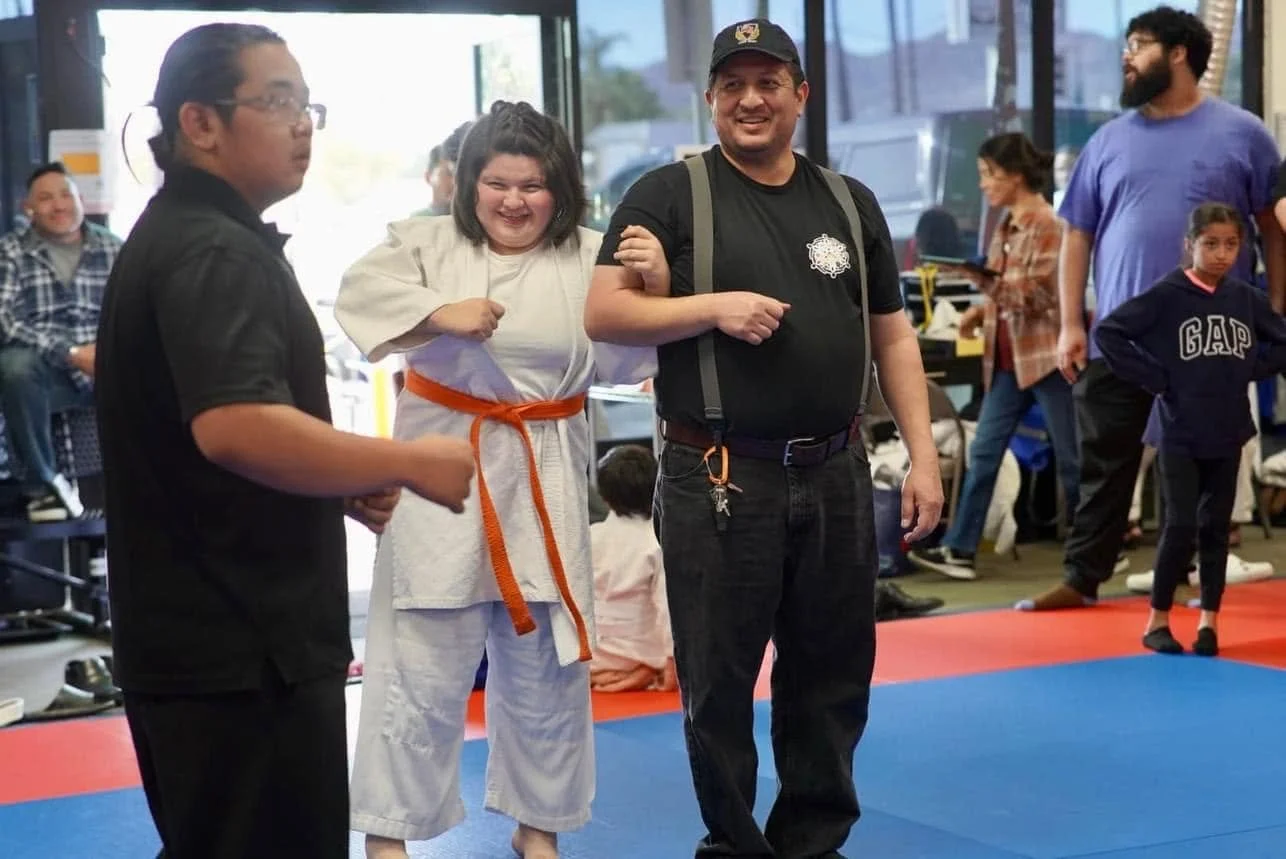
This is where community judo clubs face an important choice. If judo is treated only as a commodity to profit from, it will naturally drift towards the families who can afford every fee, tournament, and uniform without any strain. But if a club wants to embed itself into the community as something greater than just another business, then volunteerism, fundraising, scholarships, parent support and connection, and local partnerships become part of how the club keeps Jita-Kyoei alive. We can beget strong, good-hearted citizens who put into this world the same kindness they have been given, and bring more opportunities for greatness that may reside away from the mat.
Many judo clubs offer approachable fees for many middle-class Americans, depending on the types of classes and instructional support they offer. However, we have noticed in our own community that this leaves out a large swath of low-income or struggling families that are looking for opportunities for their children.
Furthermore, the endurance of judo has lost considerable momentum in the United States in favor of other trendy martial arts such as mixed martial arts or Brazilian jiu-jitsu, leaving behind the mantra of affordability in favor of much higher pricing. Surely some sociological studies could discern a handful of reasons behind this power shift, but there is a greater value in correcting our course as judoka rather than fixating on what’s already set into motion.
Volunteerism & The Future of Community Judo
Many of us Americans have become so disillusioned by the heartlessness of the world on social media space. American civic life has long included traditions of mutual aid, local service, and good old-fashioned grassroots organizing, even if those traditions are easy to overlook in a media environment that often rewards cynicism. With how social media profits from spotlighting scandals, corruption, and bad-faith behavior in schools, nonprofits, and public institutions, it is no surprise that folks underestimate how many people are still actively looking for positive, good-hearted ways to serve their community.
There is a common belief, as I have heard many a time in both high school throughout most of college, that volunteering is driven primarily by the comfortable, wealthy people with extra time on their hands, and therefore is inaccessible to the working-class American. Recent Census and AmeriCorps data actually contradicts this belief. Some of the largest post-pandemic gains in formal volunteering came from Millennials, Hispanic and Asian/NHPI communities, people with less than a high school education, and families earning under $25,000 annually (Census.gov). These are people who truly understand the mantra of “It Takes a Village to Raise a Child,” perhaps because many of them were supported directly by that philosophy and therefore fight for its reputation in other avenues.
Ways to Support
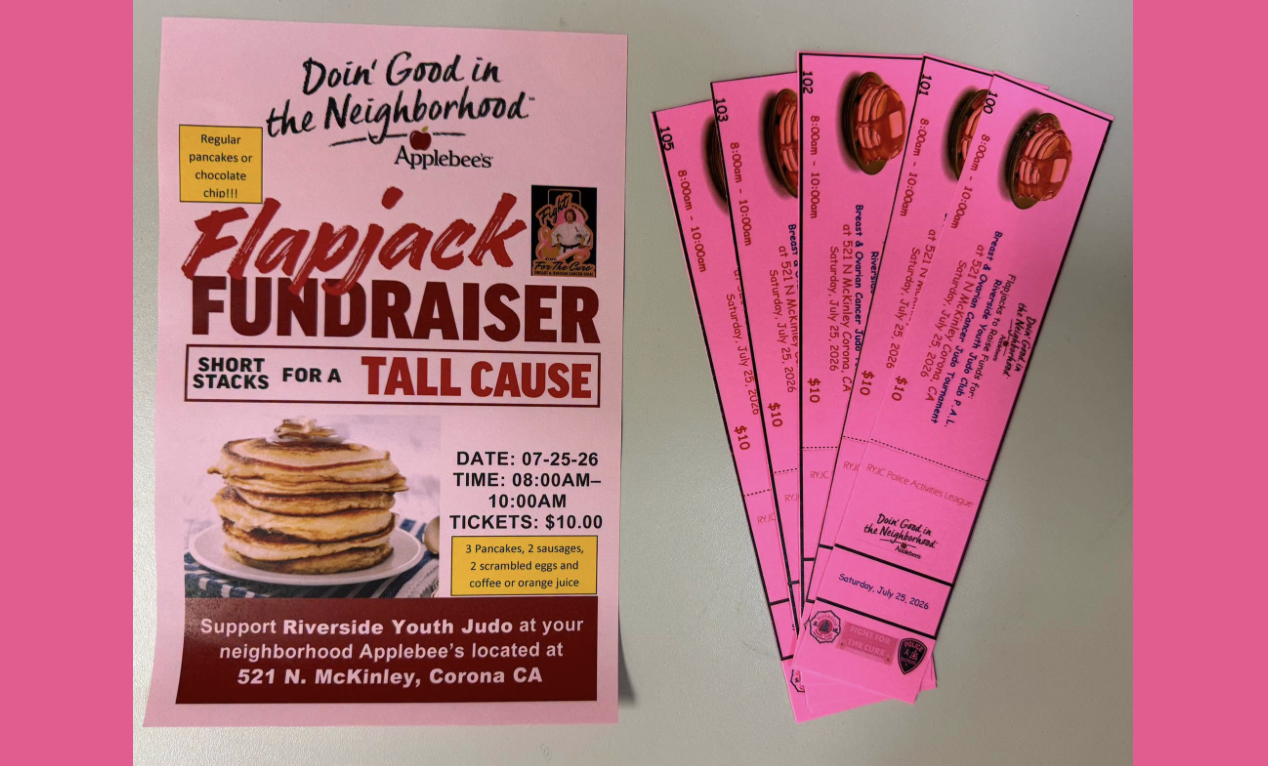
Want to Support Our Cause? Visit our Donations Page for ways to support.
Want to Sign-up for Our 9th Annual All-Women’s “Fight For the Cure” Charity Tournament on Oct 11? Visit our Smoothcomp page to register today and support the fight against breast and ovarian cancer.
The numbers within these demographic trends are even more enlightening. Between September 2022 and September 2023, roughly 75.7 million Americans from age 16 and above have reported formally volunteering through an organization; the rate has raised more than 20% for that specific population of Americans since 2021, making it a significant post-COVID rebound. Additionally, there is a reported number of 54% of Americans who have engaged in informal volunteering, such as helping their neighbors with impromptu tasks or exchanging favors (Census.gov).
But what does this have to do with judo?
What Service Looks Like in Our Dojo
Judo is inseparable from the philosophy of Jita-Kyoei, and therefore more American judo clubs show investigate the value of grassroots community efforts to connect more with this rising population of eager volunteers. Give them efforts to fight for. Make them feel included in your space — and that might mean not making all the money you can through martial arts programs. But while it isn’t the most glamorous of scenarios, and there are many fights to be had, there is truly nothing more valuable than seeing a positive change in communities that desperately need the values of judo to bring them balance, confidence, and strength in these trying times.
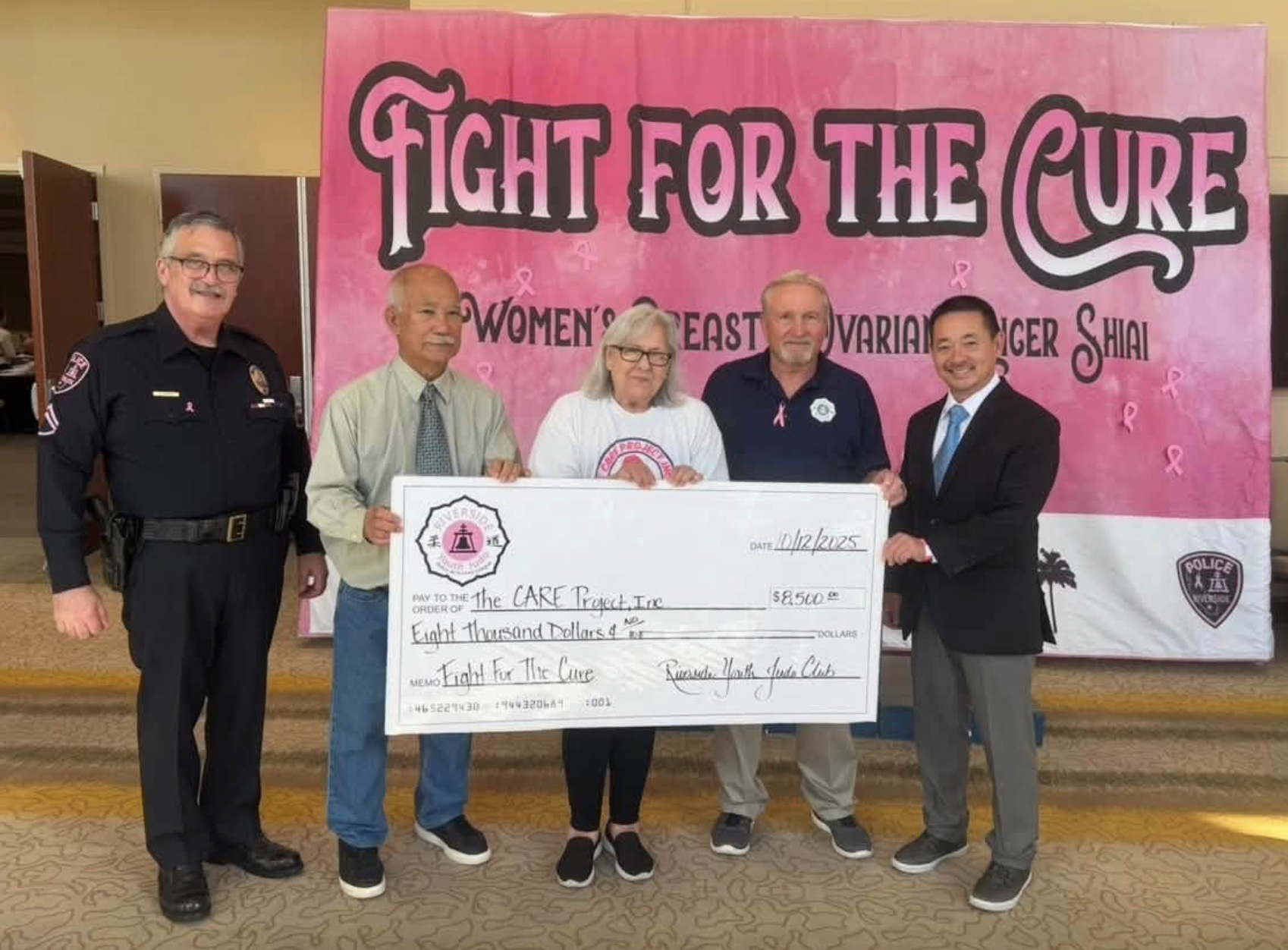
What does this look like? In our judo club, we don’t only promote our own fundraising as a nonprofit charity organization. We encourage our students and families alike to join in for volunteering and fundraising efforts out in the community for causes outside of just ourselves. The largest example of this is our All-Women’s “Fight for the Cure” Charity Judo Tournament (to be held this year on October 11th, 2026), where we donate 100% of all funds raised through application fees, donations, silent auctions, and fundraiser events to a pair of local breast cancer charities. This encourages our volunteers and families alike that participating in overall humanitarian efforts for the greater community, that there is a value in helping others in the same way they themselves have been helped.
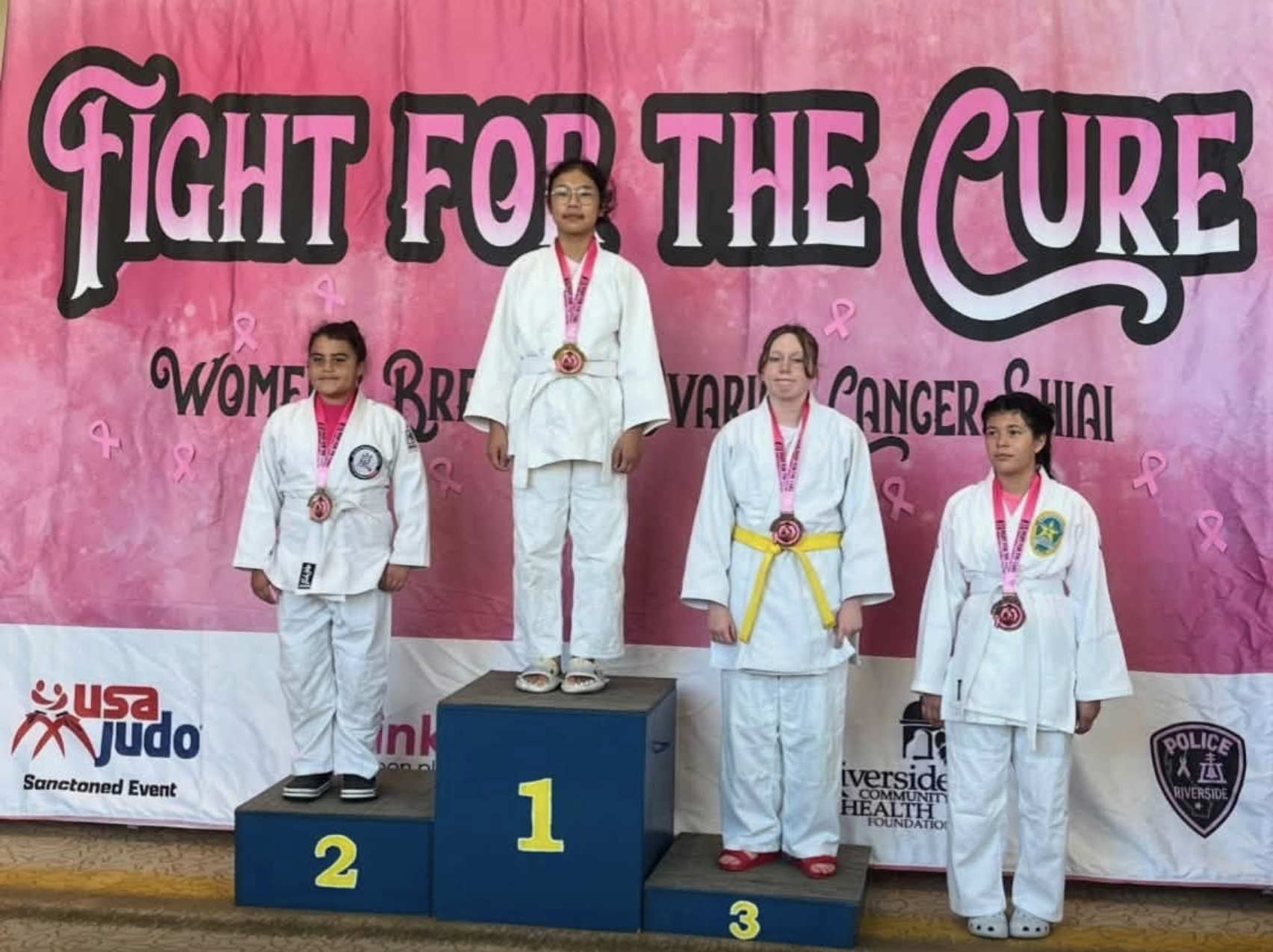
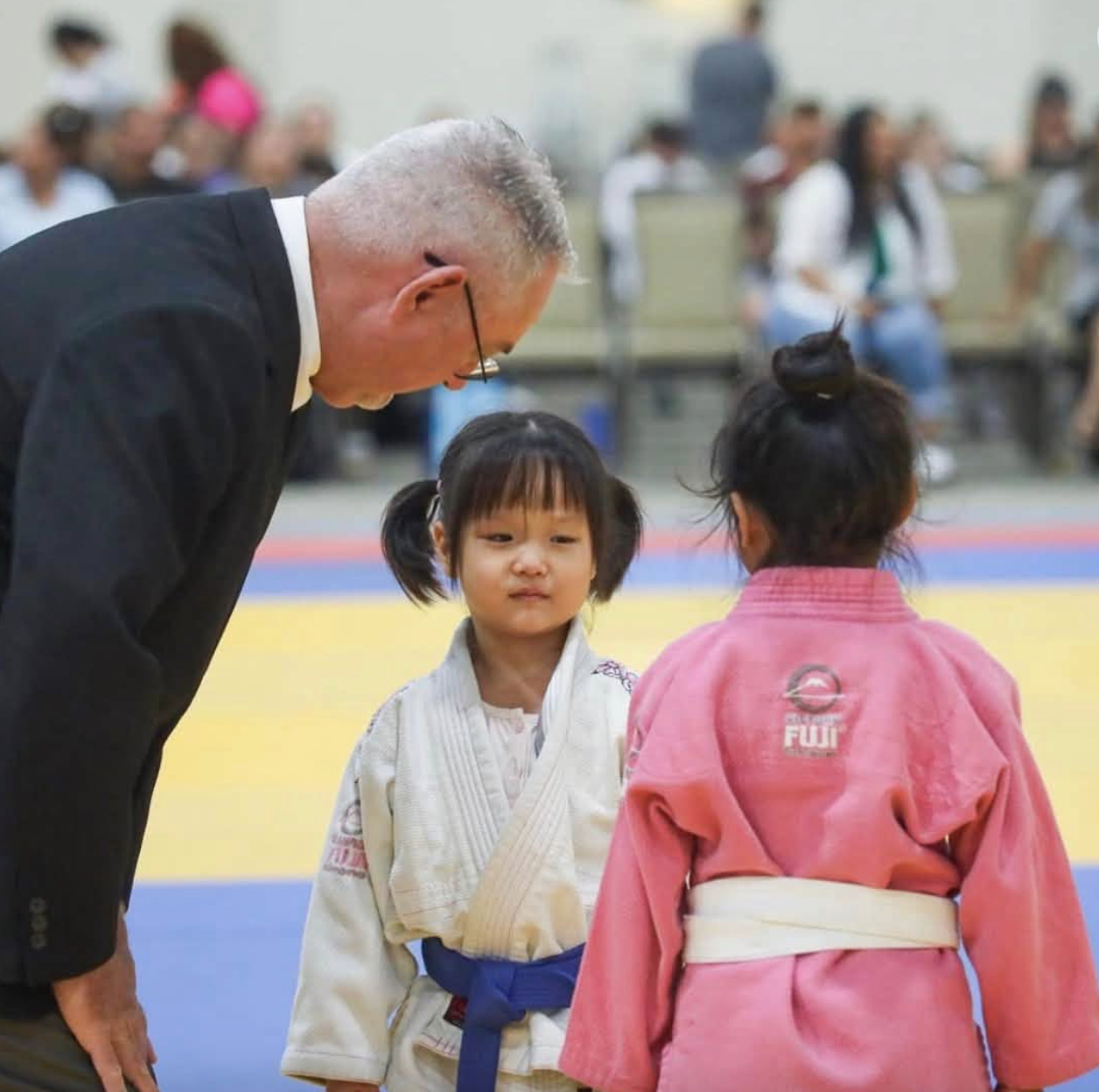
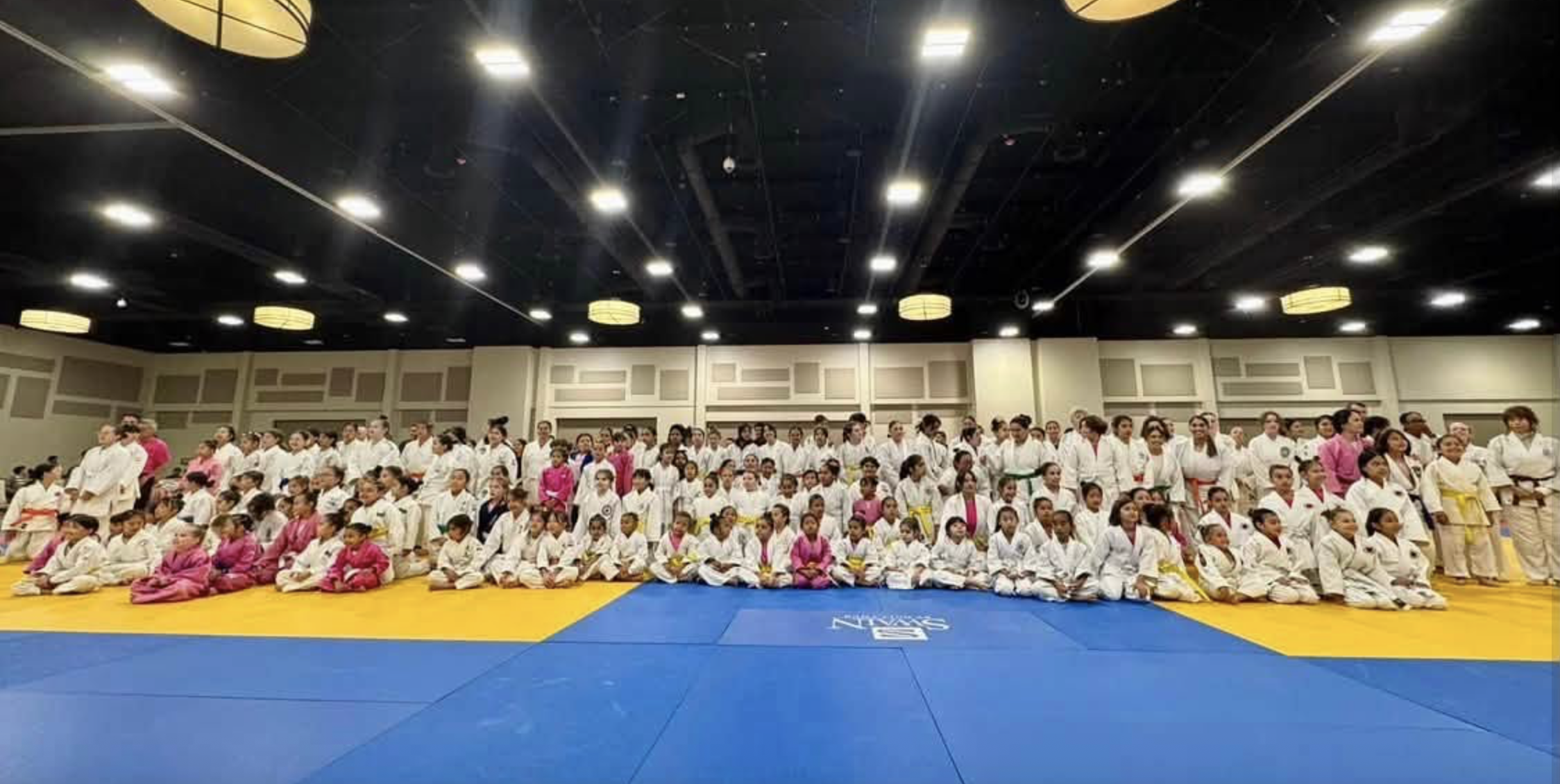
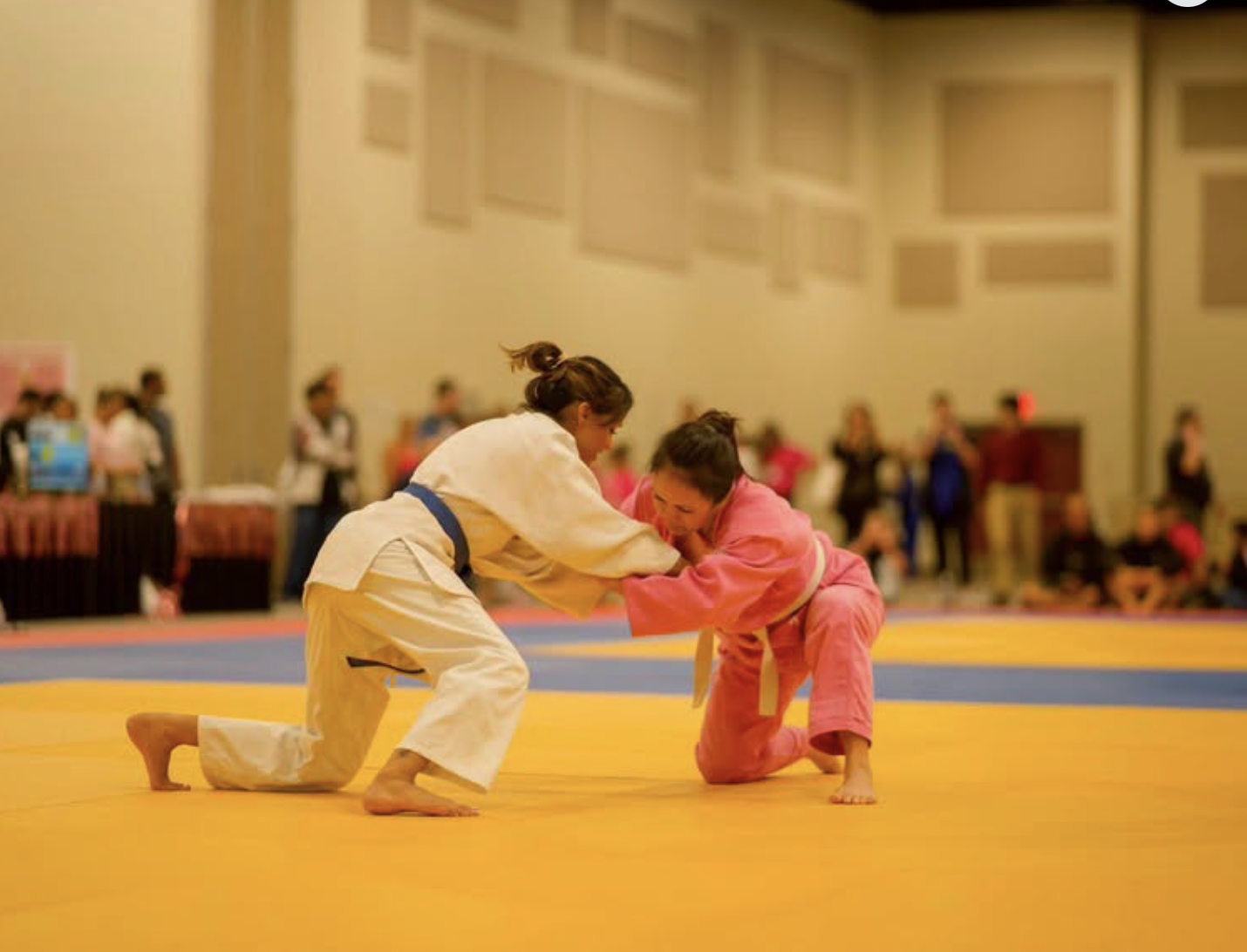
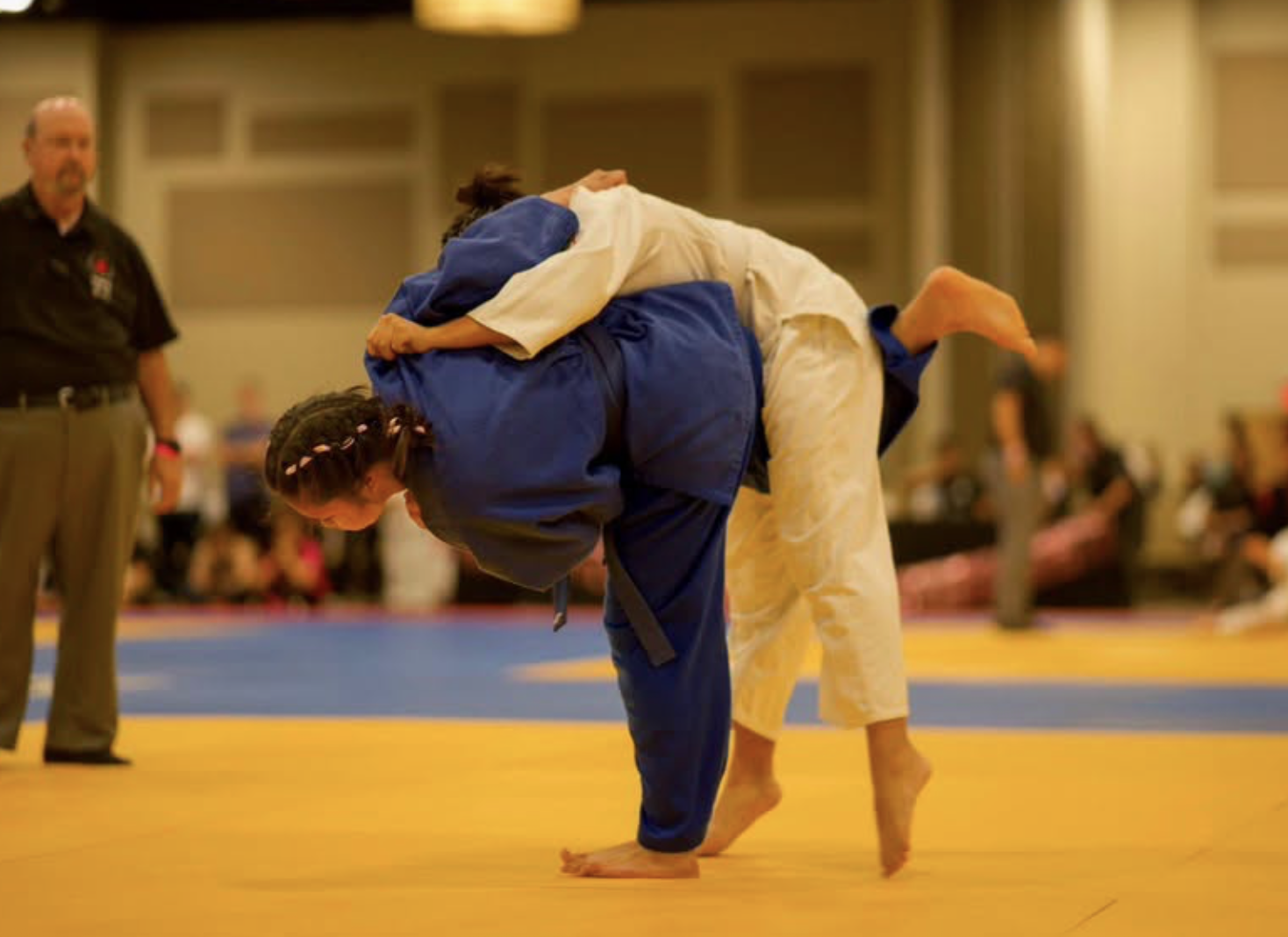
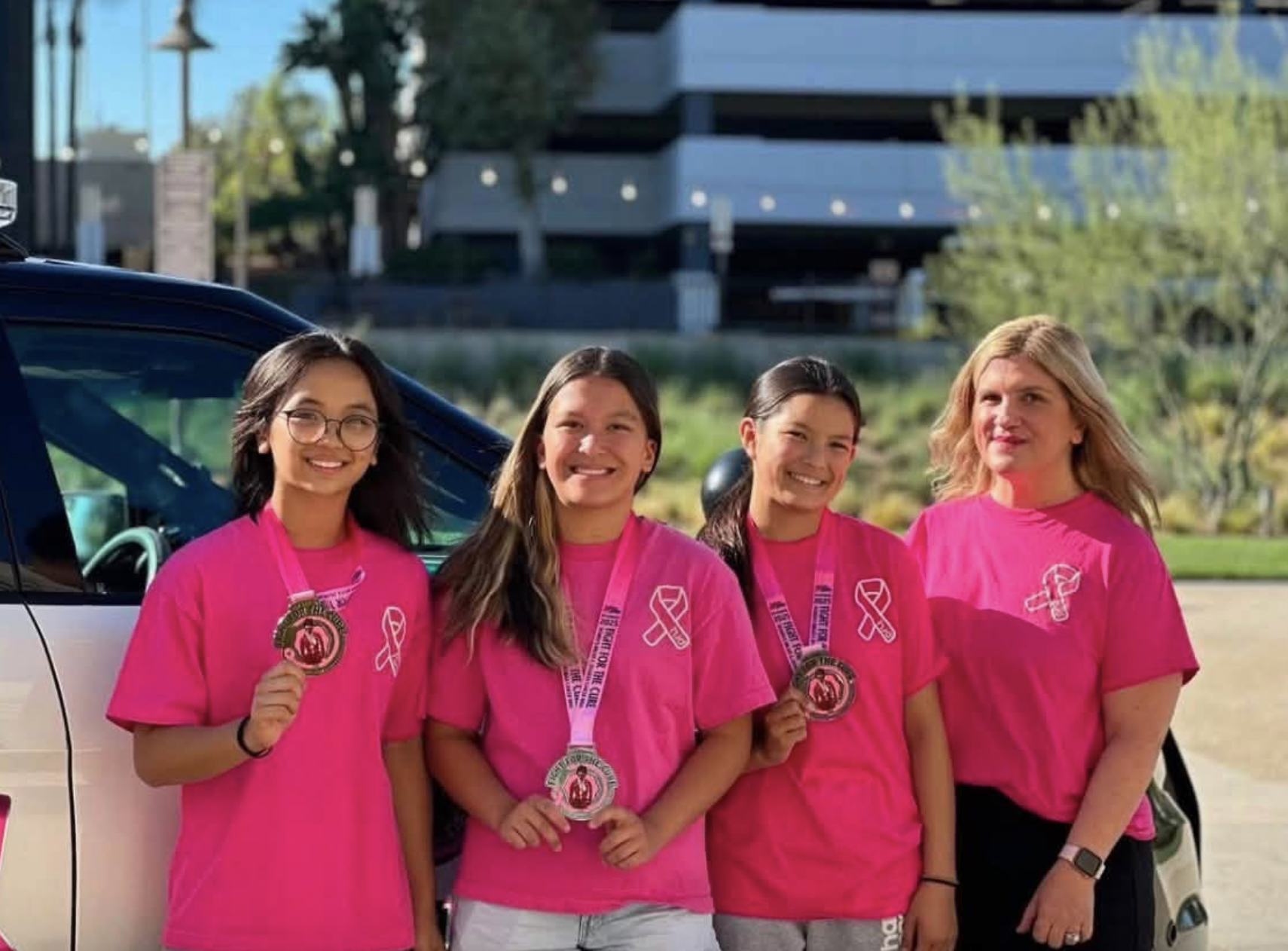
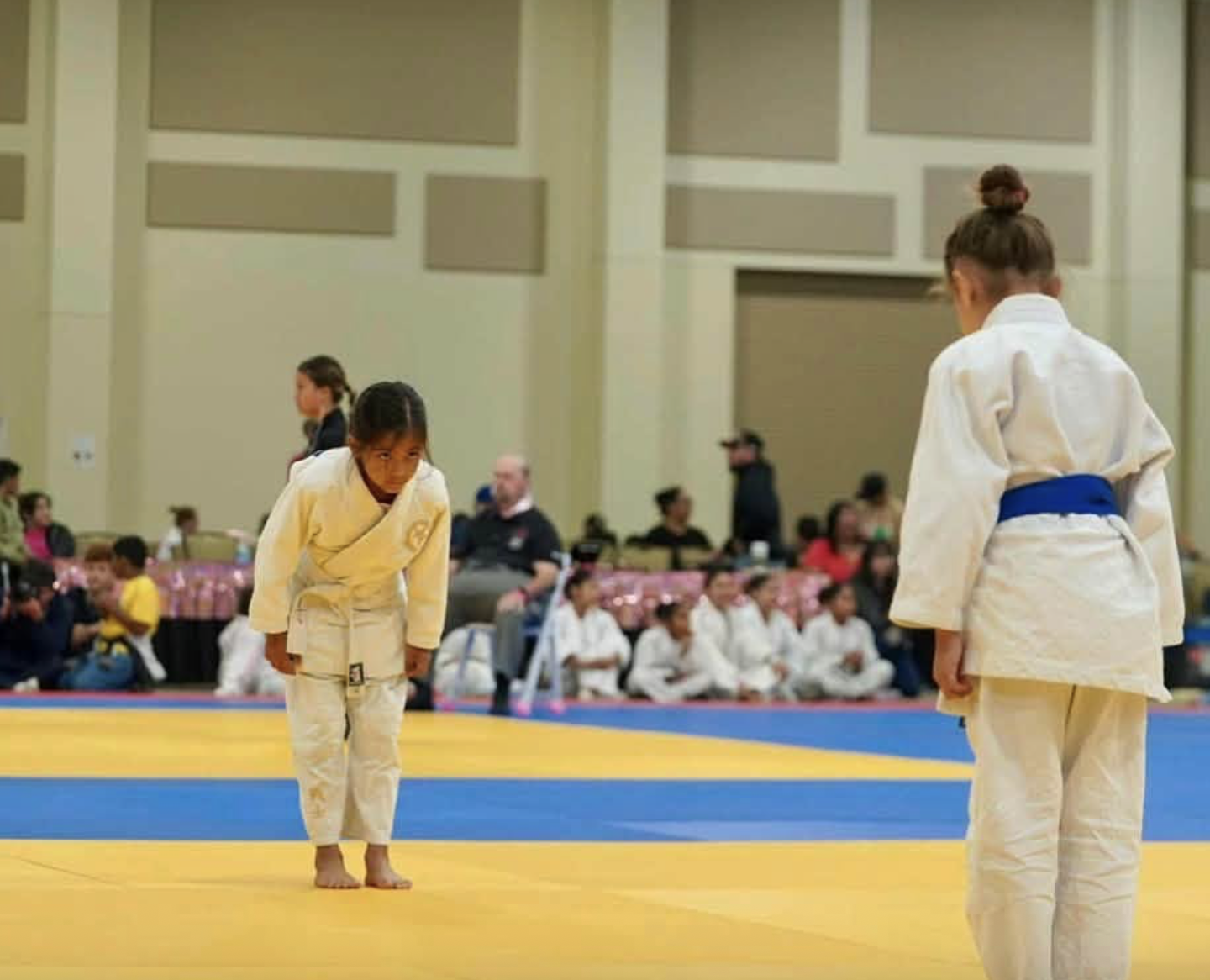
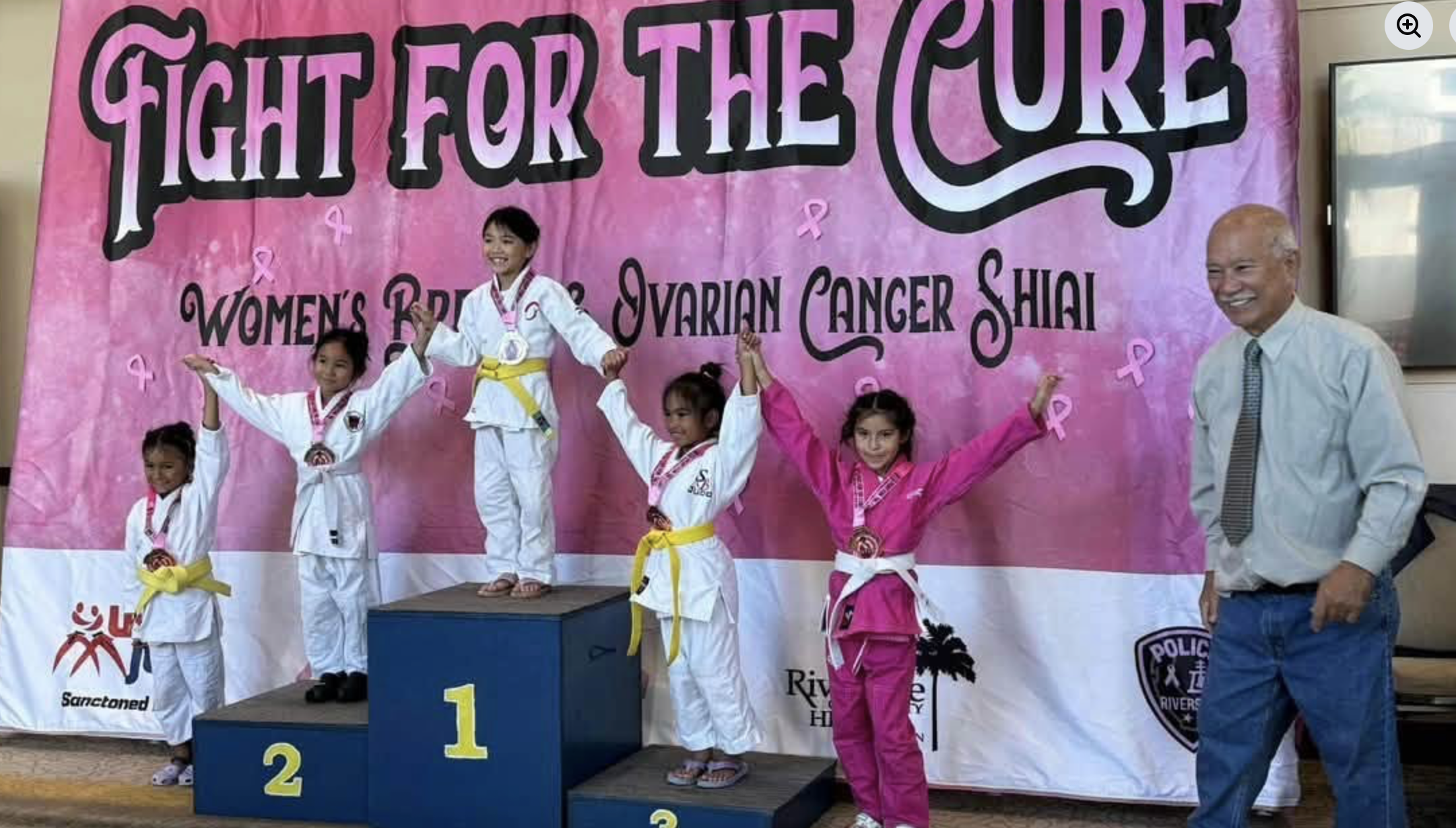
It is redundant but worth maintaining that volunteerism is not a means of using low-income families for free labor to suit a program’s personal goals. Rather, a healthy judo charity should embody the versatility of helping their members and those outside their membership, and encouraging those same groups to help the program in return — that may be through donations, participating in events as competitors or volunteers, or even encouraging word-of-mouth advertisement to both interested families and benefactors alike. In a healthy judo club, service cannot become a punishment for the disadvantaged, but instead a doorway into true holistic communities.
So What? —> Strength is Meant to Support Others
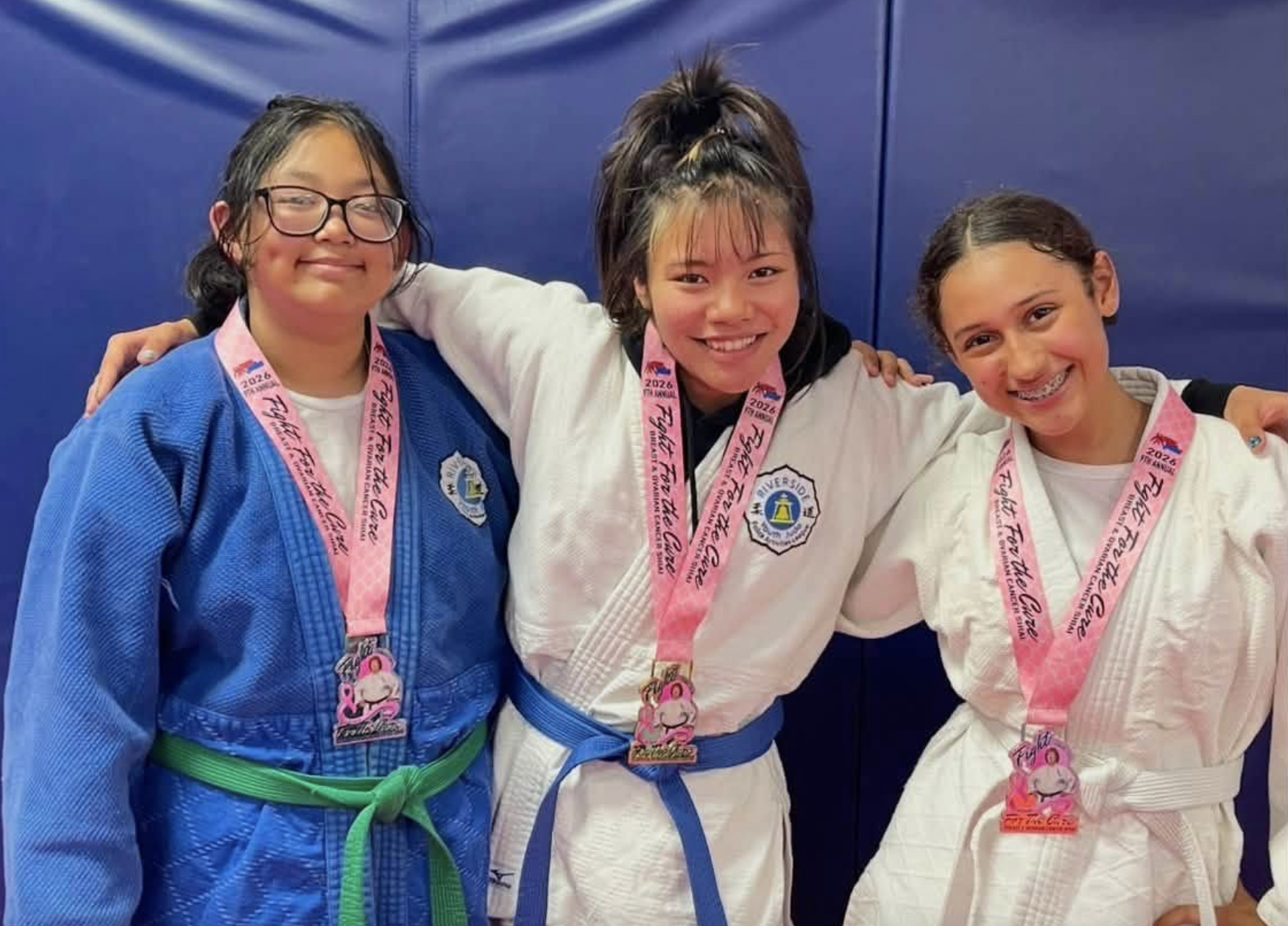
I think back to my time in high school, looking at my peers and wondering why they didn’t view community outreach the same as me. If I had never connected the way I did with my father’s judo club, working with kids who had more than me and less than me all in different ways, I might have seen volunteering as just another box to tick when it was time for college applications. But there is so much more to life than just making a profit, and there is so much more to judo than just competing.
Perhaps there is a life for judo that addresses the wants and desires of the community of interested volunteers we are seeing such growing numbers of in this day and age.
Perhaps we could see a resurgence in the sport through more humanitarian avenues.
Judo teaches us that strength is not complete until it benefits someone else. We have already determined there is a large market for safe exercise programs that incorporate strong community values for at-risk, underserved, or adaptive youth. All that is left is the people with the power to be the change they want to see in the world. Consider using your judo to help others, and they in turn will help you back — that is the true essence of Jita-Kyoei.
Let’s Connect!
What does Jita-Kyoei look like in your dojo, your family, or your community?
Share a story or idea in the comments.
